
Educational• Featured
Customer Service
Discover why responsive broker support — handling margin calls, rollovers, and platform issues fast — is critical in futures trading.
May 19, 20265
Expert market analysis, trading strategies, and educational content to help you navigate the futures markets with confidence.
Discover why responsive broker support — handling margin calls, rollovers, and platform issues fast — is critical in futures trading.

Russell 2000 futures give traders direct, leveraged exposure to U.S. small-cap stocks through a liquid, cash-settled contract on the CME Group. The primary contract is the E-mini Russell 2000 (symbol RTY). A smaller Micro E-mini Russell 2000 (symbol M2K) is also available for finer position sizing

NFA and CFTC requirements for opening a futures (or related) account through an Independent Introducing Broker (IIB/Independent IB) focus on customer information, risk disclosure, identity verification, and ensuring the account is carried by a registered Futures Commission Merchant (FCM).
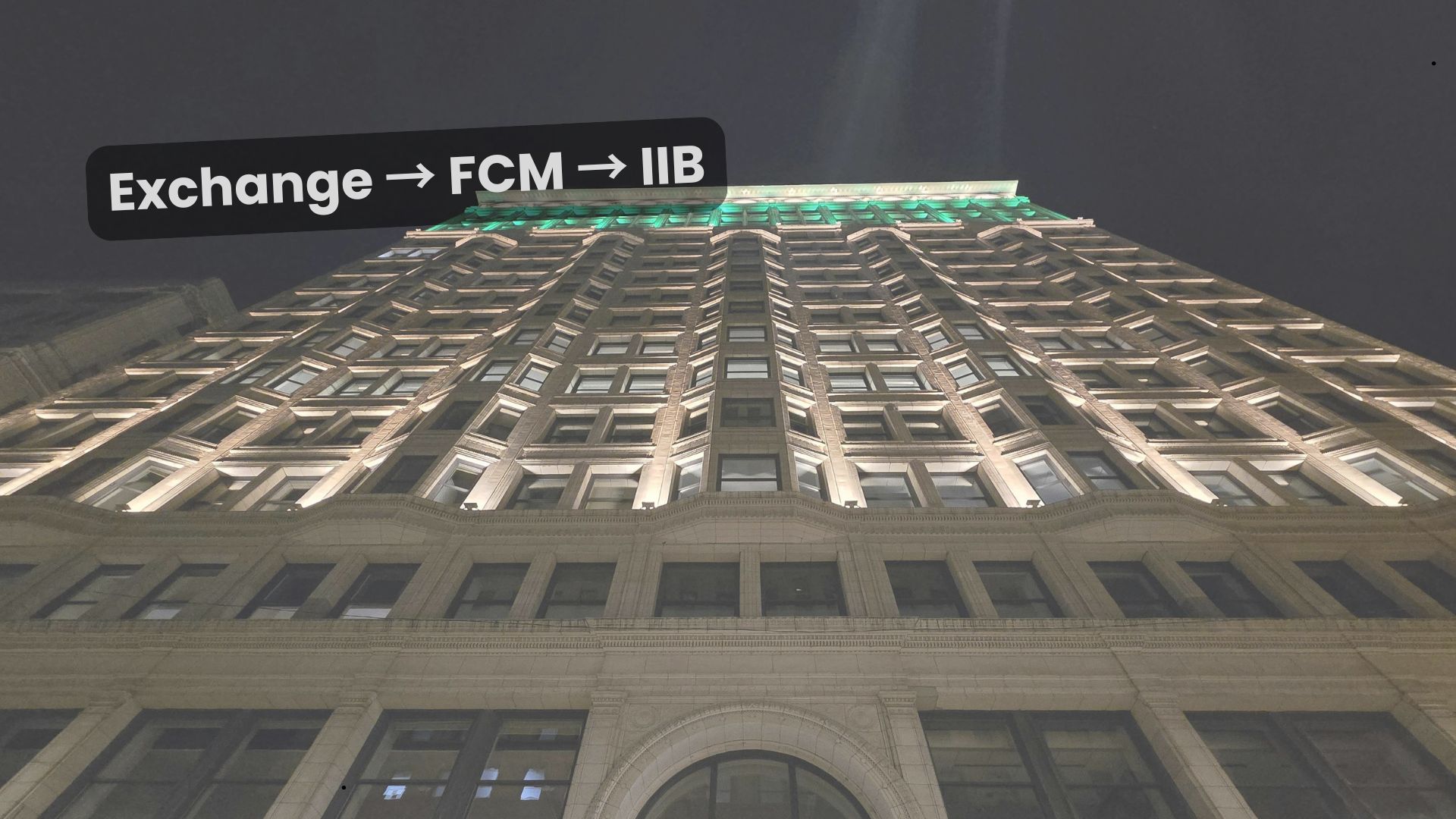
If you’ve ever tried to open a futures account or just looked past the marketing on a broker’s website, you’ve probably run into a thicket of acronyms: Exchange, FCM, IIB (or IB), clearinghouse, Guaranteed IB, Independent IB.

How corporate flight departments can use jet fuel and heating oil futures to manage fuel cost risk. Learn the basics and the risks.
A 25 bp Fed hike is priced at roughly 85–90%. What a move to 3.75%–4.00%, the dot plot, and Fed language could mean for the major indices.
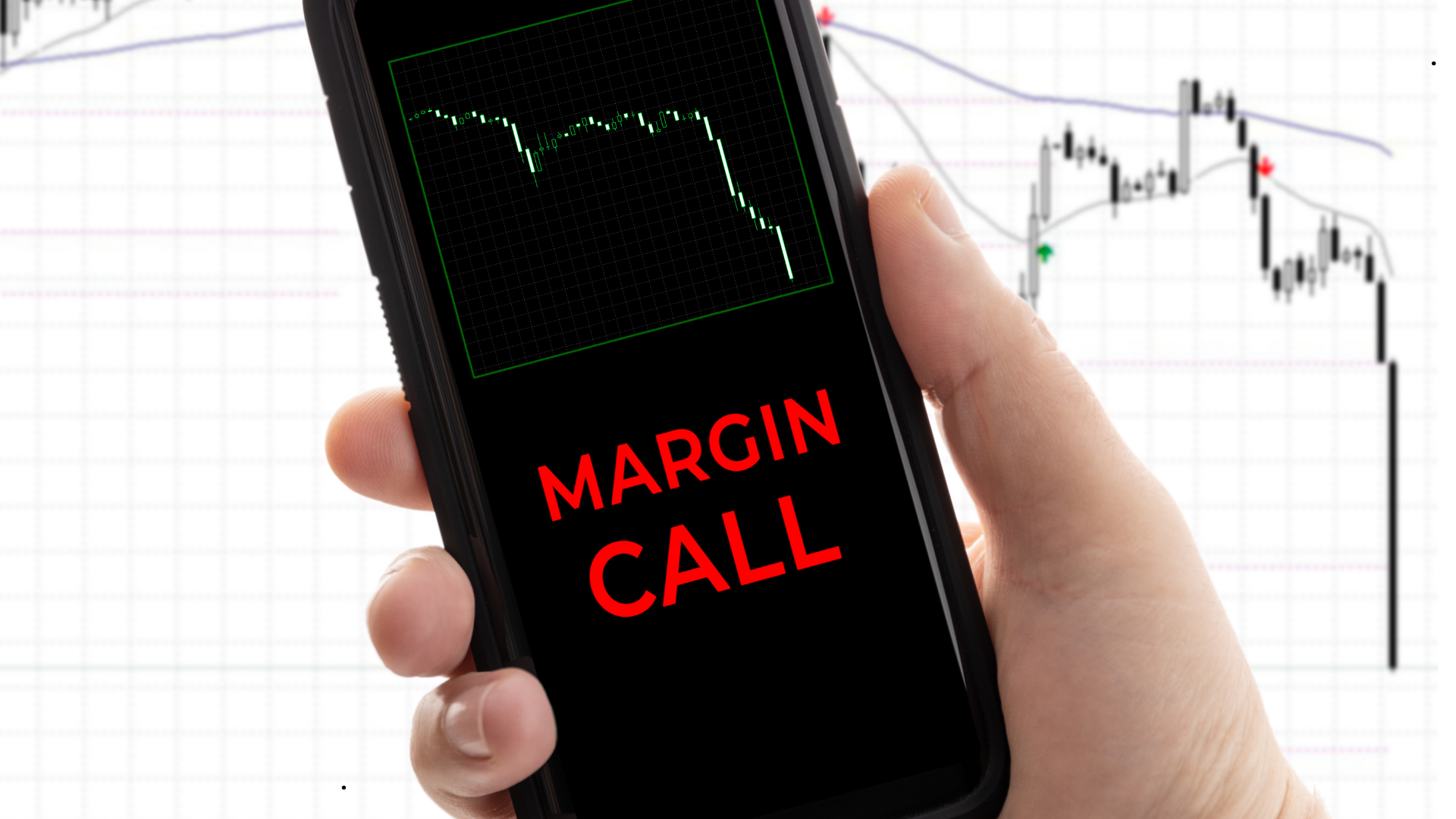
In futures trading, a margin call is one of the most stressful events a trader can face. It arrives when the equity in your account falls below the required maintenance level, and it demands immediate action—or the futures commission merchant (FCM) may take action for you.
Hey everyone, if you've been watching the metals markets lately, you're probably feeling the pain—or at least wondering what the heck is going on. Gold and silver blasted to insane all-time highs earlier this year, only to get absolutely wrecked by waves of selling.
If you're a retail trader dipping your toes into futures contracts — like E-mini S&P, Crude Oil, Gold, or even Bitcoin futures — understanding margins and liquidation is essential.
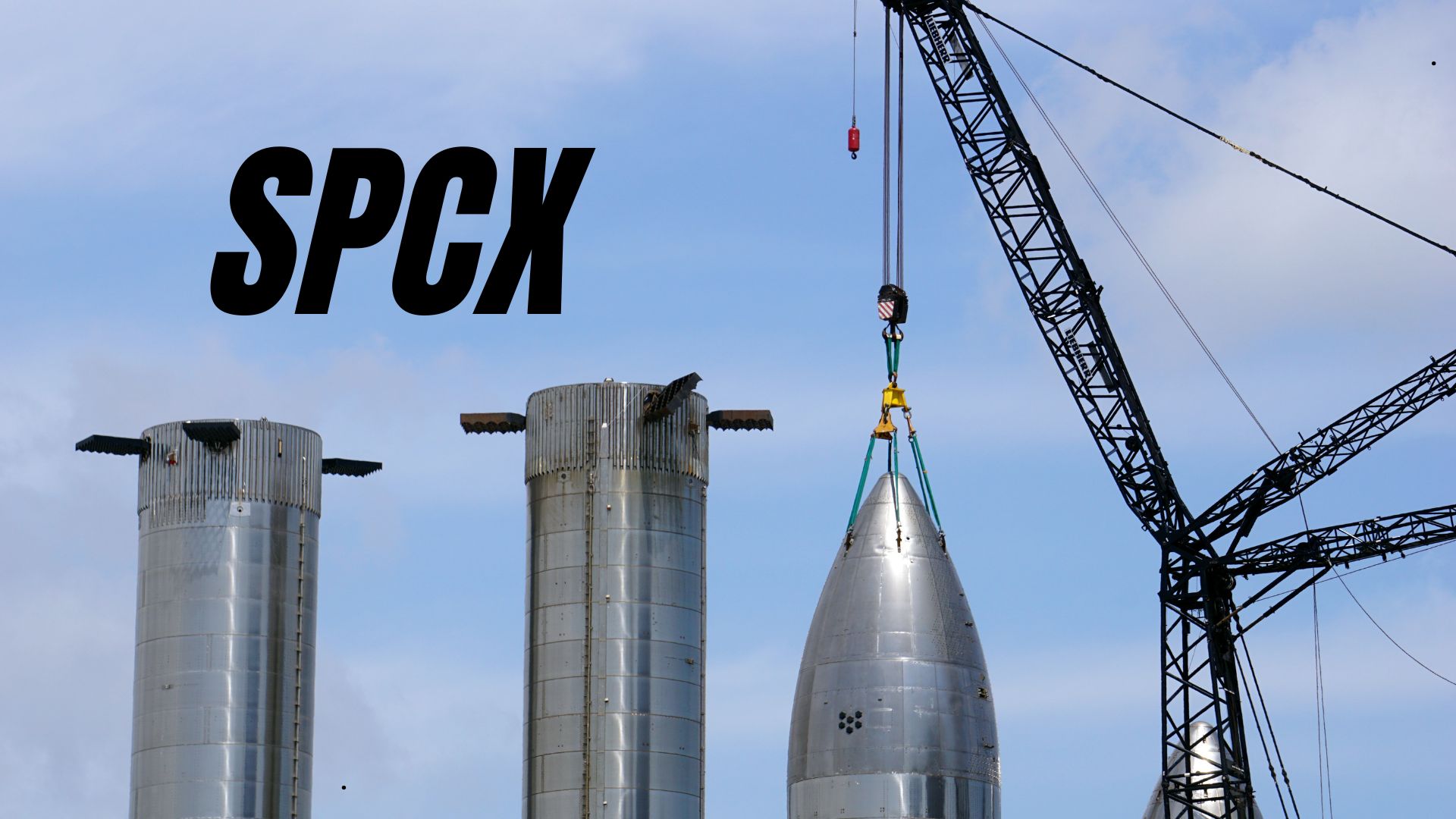
SpaceX, Elon Musk’s pioneering space company, is set to make history with what could be the largest IPO ever. Priced at $135 per share, the offering targets a valuation around $1.75–1.8 trillion and aims to raise approximately $75 billion.
FOMO — Fear of Missing Out — is one of the most destructive forces in trading, and it hits especially hard in futures markets. The combination of high leverage, near-24-hour trading sessions, and rapid price moves creates a perfect storm for emotional decision-making.

Natural gas, traded primarily at the Henry Hub benchmark in Louisiana, plays a critical role in U.S. energy markets for heating, power generation, and exports.

Stock indexes such as the S&P 500, Dow Jones Industrial Average, and Nasdaq Composite serve as key barometers of U.S. large-cap equity market performance.

Crude oil, primarily traded through benchmarks like West Texas Intermediate (WTI) and Brent, remains one of the most closely watched commodities globally.

Futures contracts have specific expiration processes that every trader should understand. Two of the most important dates are First Notice Day (FN or FND) and Last Trading Day (LT or LTD). These dates help traders manage positions, avoid unwanted obligations, and plan rollovers effectively.

Futures trading offers one of the most flexible schedules in all of finance. Unlike the stock market’s rigid 9:30 a.m. to 4:00 p.m. ET window, Most futures contracts trade nearly 24 hours a day, five days a week. Understanding these hours can mean the difference between catching a high-probability setup and fighting thin liquidity. These extended hours often give an advantage over other instruments.

Futures leverage lets you control a large position (the full notional value of a contract) with only a small amount of capital (called margin). It amplifies both potential profits and losses, making it a powerful but high-risk tool.

Learn how futures contracts work, who uses them, and why they are essential tools for hedgers, speculators, and global markets.

Understand futures contract specifications — tick size, contract months, and exchange rules every trader must master.

Learn how futures contract margins work — the performance bond that lets you control large positions with minimal capital.
We use cookies, including X (Twitter) advertising cookies, to measure sign-ups and improve the site.